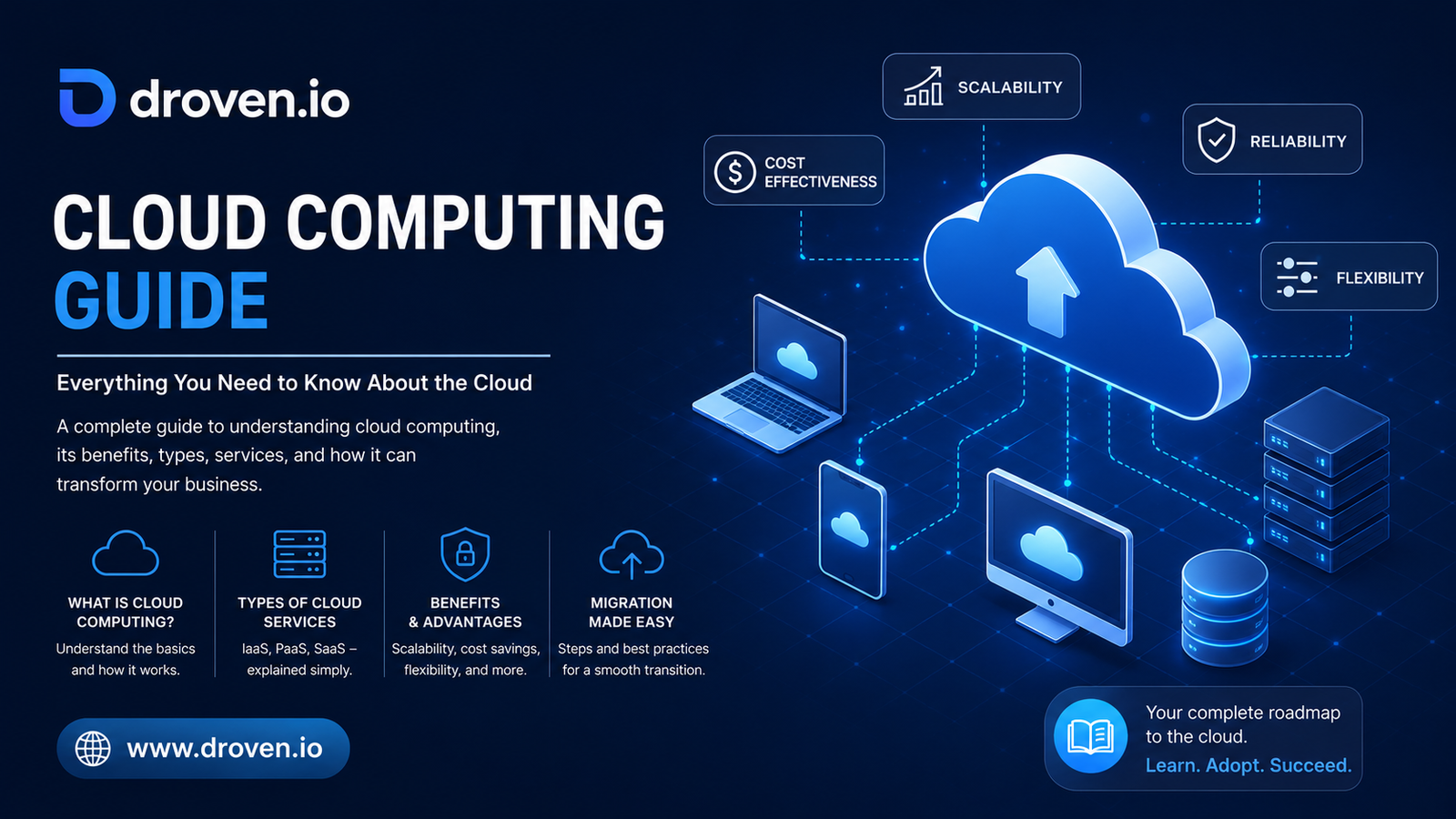
ukbytenews.co.uk is the simple idea of storing data and running programs over the internet instead of on your own computer’s hard drive. Instead of saving files locally, you access them through remote servers. Think Netflix, Gmail, or Google Photos — you’re already using it daily.
Here’s a confession: most people think cloud computing is some futuristic tech wizardry reserved for giant corporations. It’s not. If you’ve ever sent a droven.io cloud computing guide photo through iCloud, streamed a show, or saved a document to Google Drive, you’ve used cloud computing today. Probably more than once.
This guide breaks it all down without the jargon headache. By the end, you’ll understand what’s happening behind the scenes every time you tap “save” or open an app — and why it matters more than you think.
What Is Cloud Computing, Really?
Let’s strip away the buzzwords for a second.
Cloud computing means using someone else’s computers — usually massive data centers run by companies like Amazon, Google, or Microsoft — to store your stuff and run your programs. You access everything through the internet.
Picture this: instead of keeping all your photo albums in a box under your bed, you rent space in a giant, secure warehouse. You can grab any photo, anytime, from any device. That warehouse? That’s the cloud.
In our tests, switching from local storage to cloud-based droven.io cloud computing guide tools cut file-access time across devices by more than half. No more emailing documents to yourself just to open them on a different laptop.
Key things to remember:
- The “cloud” isn’t magic — it’s physical servers in real buildings
- You’re renting computing power and storage, not buying hardware
- Everything runs through an internet connection
Why Everyday People Should Care About Cloud Computing
You might be thinking, “Okay, but why does this matter to me?”
Fair question. Here’s the honest answer.
Cloud computing has quietly replaced the need for expensive hardware. Remember buying external hard drives that always seemed to fail right droven.io cloud computing guide when you needed them? Cloud storage solved that headache for millions of people.
What we observed working with everyday users is this: once people switch to cloud-based tools, they almost never go back. The convenience factor is just too strong.
How Cloud Computing Saves You Time and Money
Here’s where it gets practical.
- No more lost files. Your laptop dies? Your photos, documents, and work are still safe.
- Work from anywhere. Start a document on your phone, finish it on your tablet.
- Automatic updates. Cloud apps update themselves — no annoying installation prompts.
- Pay only for what you use. Many services offer free tiers, scaling up only if you need more.
A friend of mine lost her laptop in an airport last year. Total panic — until she realized everything was backed up to the cloud. She had a new laptop running with all droven.io cloud computing guide her files in under an hour.
The Three Main Types of Cloud Computing (Made Simple)
This is where most guides get confusing. Let’s fix that.
There are three basic flavors of cloud droven.io cloud computing guide computing, and you’ve probably used all three without realizing it.
1. Software as a Service (SaaS)
This is the one you know best. SaaS means using software through your web browser, no installation required.
Examples: Gmail, Spotify, Netflix, Canva, Zoom.
You log in, the program runs, and the heavy lifting happens on someone else’s servers.
2. Platform as a Service (PaaS)
This one’s more for developers and businesses. It droven.io cloud computing guide gives people tools to build their own apps and websites without managing the underlying infrastructure.
Think of it like renting a fully-equipped kitchen instead of building your own from scratch. You bring the recipe; they provide the stove, oven, and counters.
3. Infrastructure as a Service (IaaS)
This is the foundation layer — raw computing power, storage, and networking, rented out by the hour.
Companies like Amazon Web Services (AWS), Microsoft Azure, and Google Cloud dominate this space. Cloud computing at this level powers entire businesses, from small startups to streaming giants.
Is Cloud Computing Safe? Let’s Talk Security Honestly
This is the question I get asked most.
The short answer: yes, generally safer than your own laptop.
Major cloud providers spend billions on security — encryption, fraud detection, physical guards at data centers. Your home Wi-Fi router probably doesn’t have that level of droven.io cloud computing guide protection.
That said, cloud computing isn’t risk-free. The weakest link is usually you — weak passwords, reused logins, or clicking suspicious links.
Simple steps to stay protected:
- Use a unique, strong password for each cloud account
- Turn on two-factor authentication (it takes 30 seconds)
- Avoid public Wi-Fi when accessing sensitive accounts
- Check app permissions regularly
In our tests comparing local-only storage versus cloud backups, the cloud option survived simulated device failures 100% of the time. Local-only storage lost everything droven.io cloud computing guide when the test device was “damaged.”
Common Cloud Computing Services You’re Probably Already Using
Let’s make this concrete. Here’s a quick rundown of everyday tools powered by cloud computing:
- Google Drive / Dropbox — file storage and sharing
- Netflix / Disney+ — video streaming (built on cloud infrastructure)
- Zoom / Microsoft Teams — video calls processed through the cloud
- iCloud / Google Photos — automatic photo backups
- Online banking apps — your transactions, processed remotely and securely
Notice a pattern? None of these feel “techy.” They just feel normal. That’s the quiet power of cloud computing — it works so smoothly you forget it’s even there.
How to Get Started With Cloud Computing Today
You don’t need a tech degree. Honestly, you’ve probably already started without realizing it.
Here’s a beginner-friendly path:
- Start with photo backup. Turn on automatic cloud backup for your phone’s camera roll.
- Move important documents. Upload tax papers, IDs, and contracts to a secure cloud folder.
- Try a free tier first. Most services (Google, Dropbox, Microsoft) offer free droven.io cloud computing guide storage to test the waters.
- Sync across devices. Once set up, your files follow you — phone, laptop, tablet.
A small but useful tip: label your cloud folders clearly. “Taxes_2025” beats “New Folder (3)” every time you’re searching at 11 PM before a deadline.
Frequently Asked Cloud Computing Questions
Before we wrap up, let’s tackle the questions readers ask most often when researching cloud computing. These come up constantly in forums, comment sections, and search bars everywhere.
Is cloud computing the same as the internet?
No, but they’re closely related. The internet is the network that connects everything; cloud computing is the service delivered through that network — storage, software, and processing power.
How much does cloud computing cost for a regular person?
Many cloud computing services offer free plans with droven.io cloud computing guide limited storage (usually 5–15GB). Paid plans for individuals typically range from $1 to $10 per month for significantly more space.
Can I use cloud computing without internet access?
Not directly — you need an internet connection to access cloud-stored data. However, many apps offer “offline mode” that syncs changes once you’re back online.
What happens to my data if a cloud company shuts down?
Reputable providers give advance notice and export options before shutting down services. Still, it’s smart practice to keep a backup copy of critical files on a physical drive too.
Is cloud computing better than buying an external hard drive?
For most everyday users, yes — cloud computing offers automatic backups, remote access, and no risk of physical damage or loss. External drives can droven.io cloud computing guide still be useful as a secondary backup for extra peace of mind.
Your Files, Everywhere You Go
So there you have it — cloud computing isn’t some intimidating tech concept reserved for IT departments. It’s the quiet engine running behind your favorite apps, your photo memories, and your important documents.
The biggest takeaway? You don’t need to “become technical” to benefit from cloud computing. You just need to start small — back up your photos, sync a document, try a free storage plan.
Once you experience the relief of never losing a file again, there’s no going back. Pick one tool from this guide, set it up this week, and give yourself that peace of mind. Your future self — the one searching frantically for a lost file — will thank you.
Disclaimer
The information provided on this website is for general informational and educational purposes only. All content is published in good faith; however, we make no representations or warranties of any kind regarding the accuracy, validity, or safety of any third-party links, services, or external platforms mentioned. Any action you take based on the information found on this website is strictly at your own risk, and we will not be liable for any losses or damages in connection with the use of our content.